Nike Alphafly 3 Review After 200 Miles: Who Should (and Shouldn’t) Buy It for Marathons
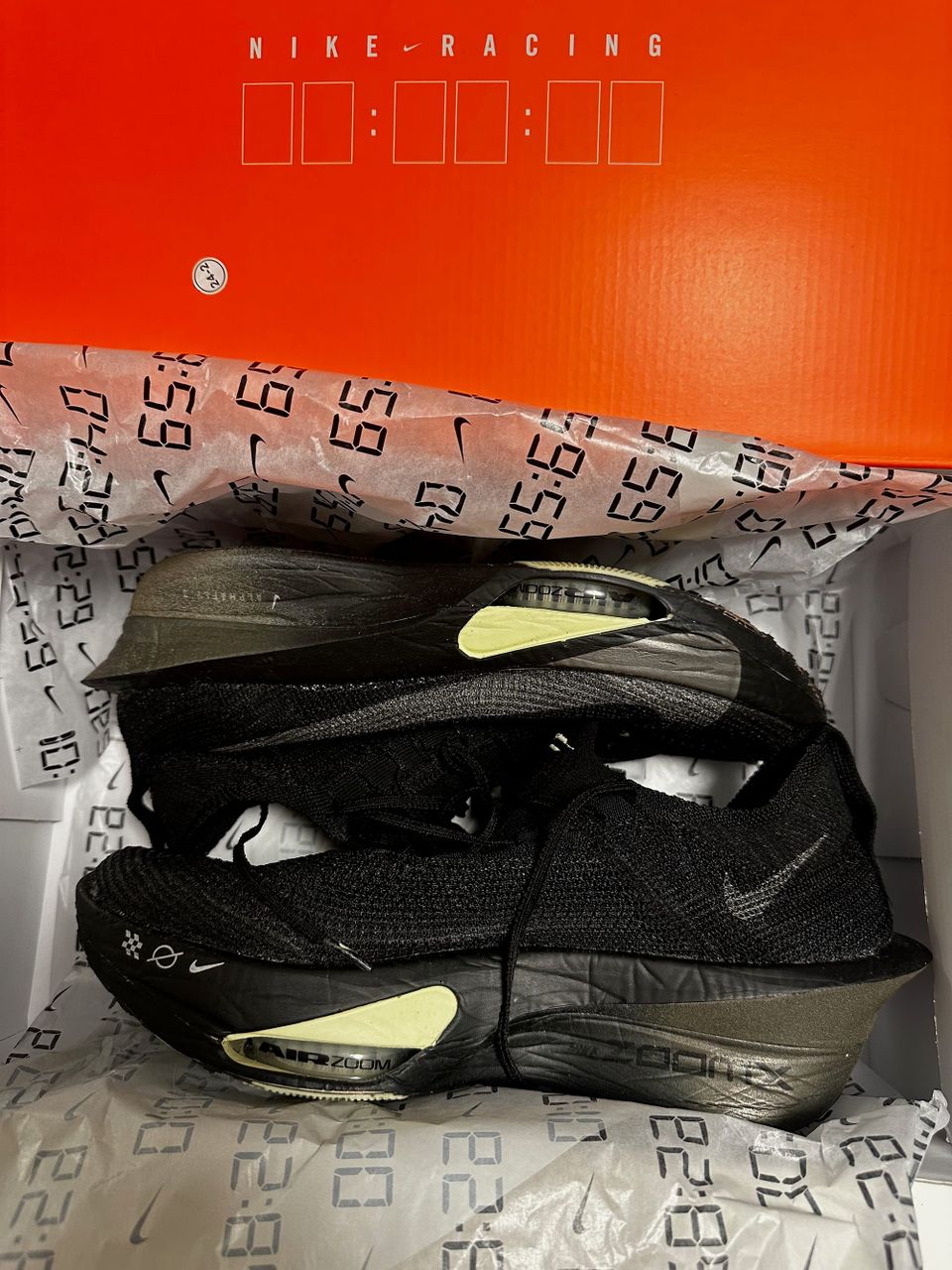
After logging 200+ miles and racing two full marathons in the Nike Alphafly 3, I’ve pushed these shoes far beyond a first-impression review. This isn’t a hype piece, it’s a practical breakdown of who benefits from the Alphafly 3, who won’t, and whether the performance justifies the price.
Nike markets the Alphafly 3 as a top-tier “super shoe” built for speed, efficiency, and personal bests. In real-world training and racing, that claim mostly holds up with a few important caveats you should understand before spending $375 USD.
Who the Nike Alphafly 3 Is Best For
Before getting into pros and cons, here’s the short answer:
Buy the Alphafly 3 if you:
- Are racing marathons or half marathons
- Run at moderate to fast paces
- Care about marginal gains and leg freshness
- Are chasing a PR, not just finishing
Skip it if you:
- Mostly jog or train at easy paces
- Want a daily trainer
- Are budget-conscious
- Are sensitive to shoe noise or stability quirks
If that already answers your question, you can stop here. If not, here’s the detail.
Pros: What the Alphafly 3 Actually Does Well
1. Speed & Energy Return (This Is the Main Reason to Buy It)
The Alphafly 3’s carbon plate and midsole combo deliver real propulsion, not placebo bounce. At marathon pace and during tempo efforts, holding speed feels noticeably easier compared to standard trainers.
This isn’t about sprinting, it’s about efficiency over long distances. The shoe rewards runners who already have decent mechanics and want to maintain pace with less effort late in races.
Bottom line:
If you’re racing for time, the Alphafly 3 does help you go faster.
2. Lightweight, Breathable Upper (Surprisingly Comfortable)
The upper is thin, airy, and minimal without feeling flimsy. Even during long runs and full marathons, I had:
- No hotspots
- No overheating
- No foot slippage
Despite how stripped-down it looks, the lockdown is solid and comfortable for long efforts.
3. Secure Fit & Lockdown (No Mid-Run Fixing)
This sounds minor, but it matters in races:
The lacing system is simple and actually stays tight. One standard bow and I didn’t touch it again, no heel slip, no mid-race adjustments.
That reliability matters when you’re tired and focused on pacing, not footwear.
4. Smooth, Rhythmic Ride (Legs Feel Fresher Post-Run)
The Alphafly 3 really shines once you settle into a rhythm. The shoe encourages a forward roll that feels almost automatic at steady race pace.
After hard sessions and races, my legs consistently felt less beaten up than they normally would, a big plus for marathon racing and recovery.
Cons: Where the Alphafly 3 Falls Short
1. The Price (This Is a Real Barrier)
At $375 USD, the Alphafly 3 is one of the most expensive running shoes available. There’s no justifying that unless:
- You race regularly
- You’re chasing PRs
- You value performance over budget
If you’re just running for fitness, this is overkill.
2. Limited Availability
Popular sizes and colorways sell out quickly. If you’re picky, expect to hunt or wait. Not a performance issue, just an annoyance.
3. The Noise (Yes, It’s Loud)
Like previous Alphafly versions, the V3 makes a distinct “clopping” sound. It’s noticeable. People will hear you coming.
Some runners don’t care. Others hate it. Just know what you’re signing up for.
Final Verdict: Is the Nike Alphafly 3 Worth It?
If you want a race-day weapon and are serious about performance, the Nike Alphafly 3 is absolutely one of the best options available right now.
It’s:
- Fast
- Efficient
- Comfortable over long distances
- Genuinely fun to run in
But it’s not a daily trainer, not a casual runner’s shoe, and not budget-friendly.
Would I recommend it?
Yes, for the right runner.
If you’re racing marathons and chasing time goals, the Alphafly 3 delivers. If not, there are smarter (and cheaper) choices.